
Shared material handler
Manual transfers
0Batches out
One transport resource moves between all stations.
Michigan + Great Lakes / Robotics & automation
Your best people have better work to do than move the next load. Put robots on the routine trips between stations.
Mid-State Litho helps you plan and install AGV and AMR transport and robotic palletizing systems for your existing plant. We also assess machine-loading applications.
01 / Mobile robotics
A cart waits. An operator leaves a machine. The next station runs short. Automate repeatable transfers so your people can focus on production.

Automated guided vehicles (AGVs) and autonomous mobile robots (AMRs) carry materials between defined pickup and delivery points.
We start with your loads, routes, staging space, and production demand. Then we assess the vehicle, transfer method, and controls your application needs.
Guided movement along defined physical or virtual routes. A fit to assess for stable, repeated transfers.
Map-based navigation with route choices around obstacles. A fit to assess when traffic and destinations change.
Watch the work, not just the robot
When one person handles every transfer, work waits for a ride. Dedicated transport and staging can keep the next batch ready.
One transport resource moves between all stations.
Three transport resources serve the same process.
Both layouts use the same processing times and travel speed. The automated example adds transport capacity and staging. These model counts are not a production forecast.
Both models start with one batch at each machine. Each machine takes eight model seconds per batch. Playback compresses time at 2× speed. The manual model has one shared handler and no spare input staging. The automated model has three carriers and two staging slots per station.
Travel distance, load transfer time, machine cycles, charging, and staffing affect real output. We assess the actual bottleneck before we recommend equipment.
02 / Robotic palletizing
A palletizing robot picks each case from the infeed and builds the load in the pattern you choose. Alternate the layers, and each one ties the load together.
Stacking pattern
Layer A runs two rows lengthwise and turns four cases at the back. Layer B is the same pattern turned 180 degrees. The seams cross from layer to layer like brickwork, so most cases bridge two or more cases below.
Dashed lines mark the seams of the layer below. Numbers show the placement order. The robot fills the far side first, so the gripper never works over a case it already placed.
Example: 16 × 12 × 10 in cases, 10 per layer, 5 layers on a 48 × 40 in pallet.
End-of-arm tooling
Vacuum cups need a flat, sealed top. A fork or scoop gripper lifts from below instead, so it can handle open trays, bundles, bags, and cases with weak tops. Your product decides the tool.
The tines pass between the rollers of the pick station and under the case.
A top plate presses down. The case rides on the tines, held from above and below.
On the stack, the plate lets go and the tines withdraw. The case settles in place.
Gripper photos
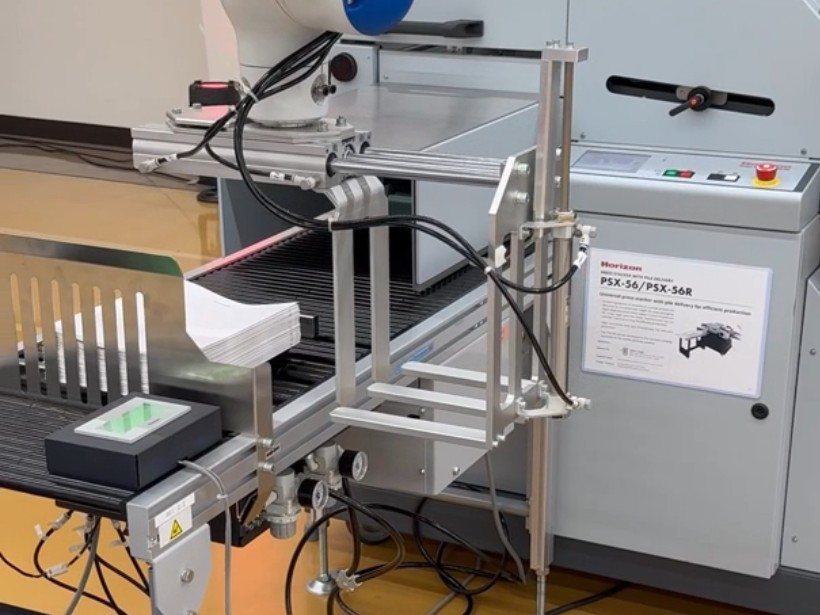
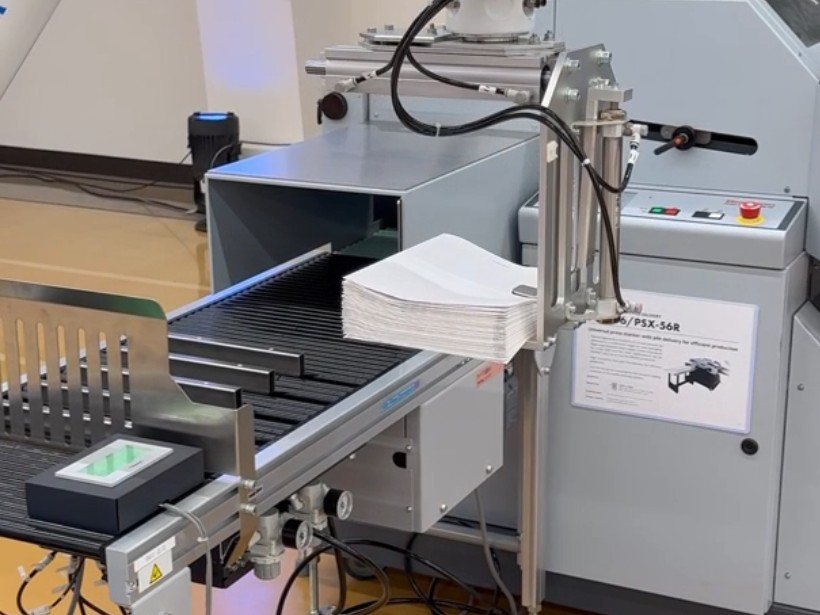
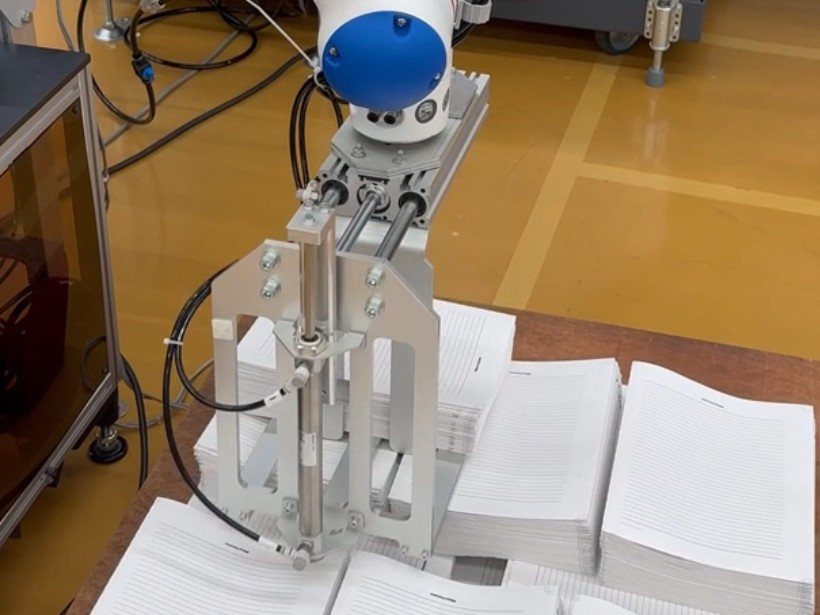
Illustration only. The robot, gripper, cycle, and pattern show a concept, not a specific product, rated payload, cycle time, or safety design. Case size and weight, box strength, overhang, and the wrap method decide the right pattern. We confirm reach, tooling, cycle time, and guarding in an application review.
Plan my palletizing cellBox weight alone is not the payload. The gripper, center of gravity, stack pattern, and required cycle time all matter. We review the infeed and pallet exchange with the cell layout.
03 / Machine loading
Repetitive pick-and-place tasks can tie an operator to a machine. A robot arm can handle a defined loading cycle while your team manages setup, quality, and exceptions.
We assess part presentation, gripping, machine access, and the controls handshake before we propose an integration.
Discuss a loading applicationEquipment experience. A wider application.
MSL brings robotics experience with Horizon and other equipment vendors. We now bring that experience to material flow in manufacturing, packaging, and other production environments.


One repeated route. One loading cycle. One pallet pattern. Define the work before you choose the robot.
Photos and clips are MSL's footage of equipment demonstrations. They illustrate applications, not completed customer installations or guaranteed results.
A practical first step
You do not need a finished automation specification. A description of the task and a few basic measurements are enough to start the discussion.
Tell us what moves, how often, and where people lose time.
Review loads, routes, equipment interfaces, and access with MSL.
Discuss a practical scope, a measurement plan, and the next engineering steps.
Before you start
The application decides. AGVs follow defined routes. AMRs can choose routes within a mapped area. Load transfer, traffic, floor conditions, and your controls matter as much as navigation.
Yes. Start with a repeatable task or route in your existing operation. We review the layout and interfaces to define what can work alongside your current equipment.
Yes. We welcome material-handling and robotic integration projects from manufacturing and other industrial operations. Our initial service area is Michigan and the Great Lakes region.
The load, travel distance, pickup and delivery method, tooling, controls, and required output shape the scope. A project assessment provides the details needed for a useful estimate.
Reach depends on the robot, its mounting position, the tool, and the box locations at every layer. We check the full motion path, not just the arm's stated reach.
Describe the material, its weight and dimensions, and the pickup and delivery points. Include the number of moves per shift and the task that causes delays.
Michigan + the Great Lakes region
Request an automation assessment.
Tell our sales team where work waits and what your people move. We will contact you to discuss the application and the next step.
Mid-State Litho Inc.
Michigan-based equipment experience since 1984.
Tell us what you need—we’ll follow up quickly with pricing and options.